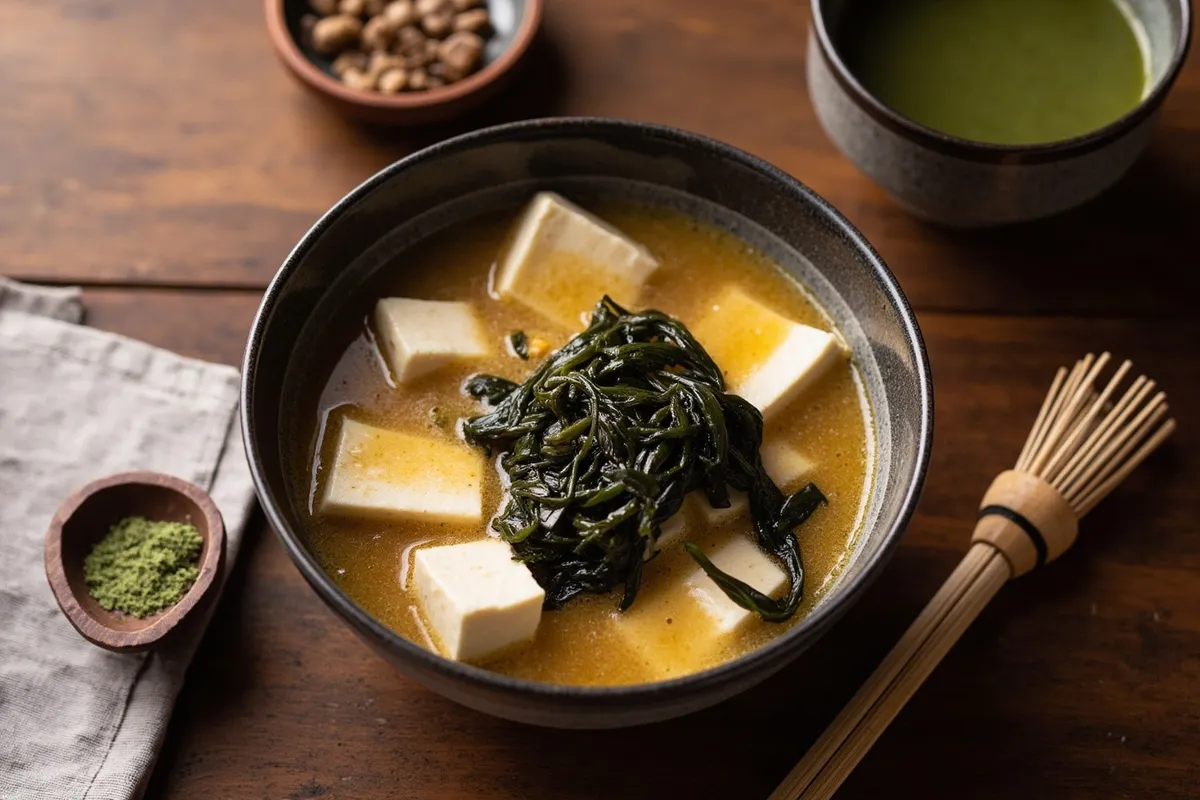
Japanese Superfoods: A Practical Guide to Everyday Healthy Foods
Japanese superfoods for everyday cooking: miso, natto, tofu, nori, kombu and green tea – real portions, one shelf price and where the salt hides.
Read the guide →Evidence-based guides to Japanese-style eating for weight loss, energy and everyday health
Japanese superfoods for everyday cooking: miso, natto, tofu, nori, kombu and green tea – real portions, one shelf price and where the salt hides.
Read the guide →New and updated articles, most recent changes first.

Edo-Tokyo Museum reopened its Edo galleries after a four-year renovation. Ticket prices, Silver Day and Family Day discounts, and ichiju-sansai.
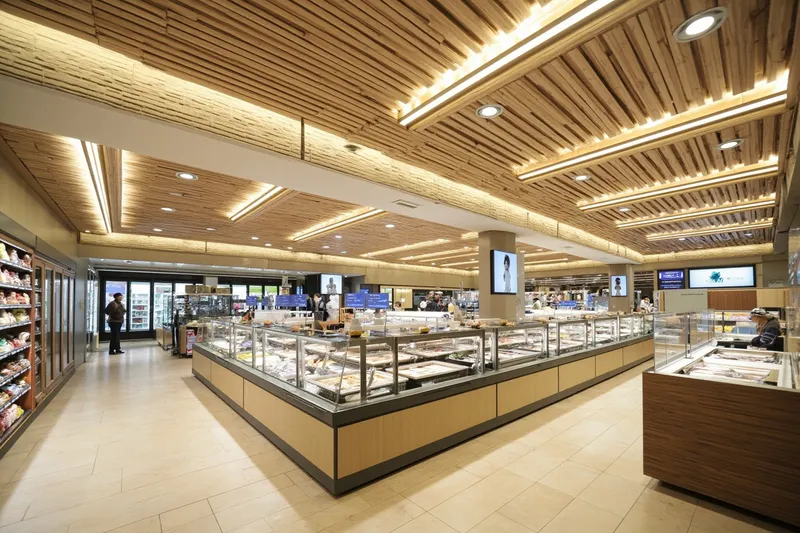
Daimaru Tokyo food hall guide: which counters sit on the B1F floor, what ¥1,000 and ¥2,000–3,000 sets buy, opening hours and the 16:00 order cutoff.
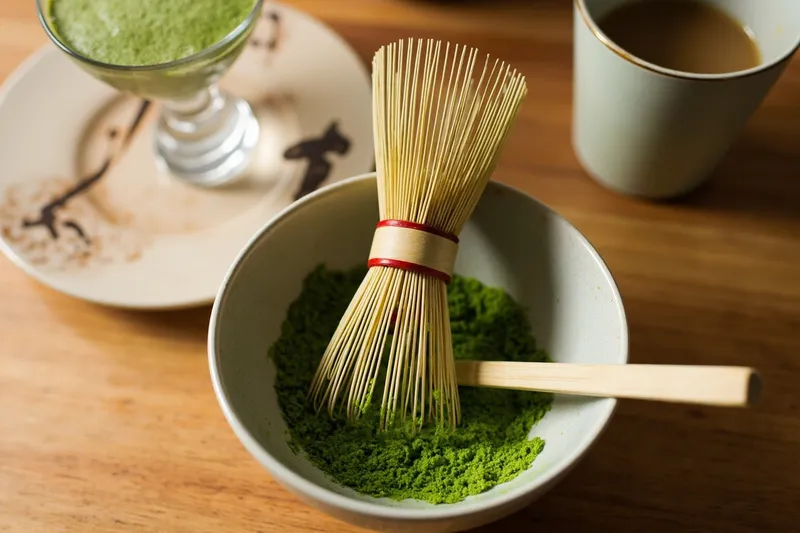
Maeda-en matcha recipes at home: four tins from $13.00 to $43.00, nineteen free drink and dessert recipes, brewing temperature and what one cup costs.

Eating alone in Tokyo comes down to a few formats: a ramen booth, a conveyor plate, a depachika bento, a konbini tray. Fourteen stops compared by price.
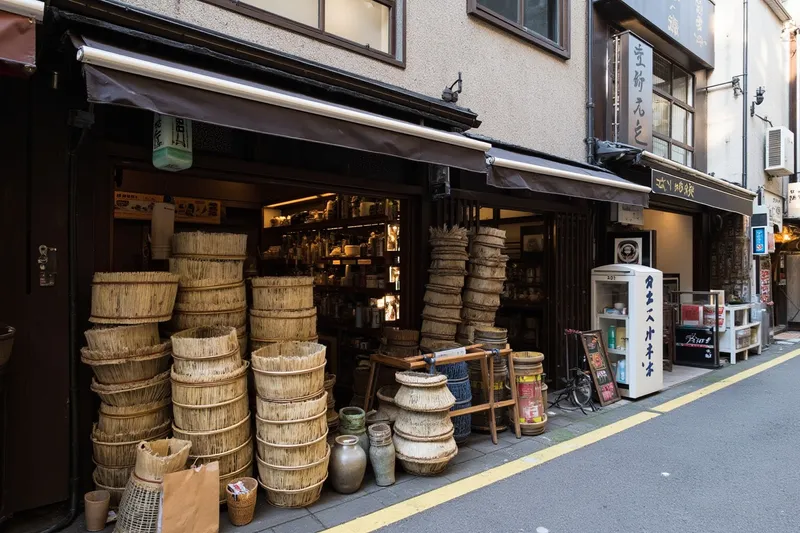
Ningyocho City in Tokyo: which counters sell dashi, nori and tea, what to ask at each one, how to pay, and which train gets you there.
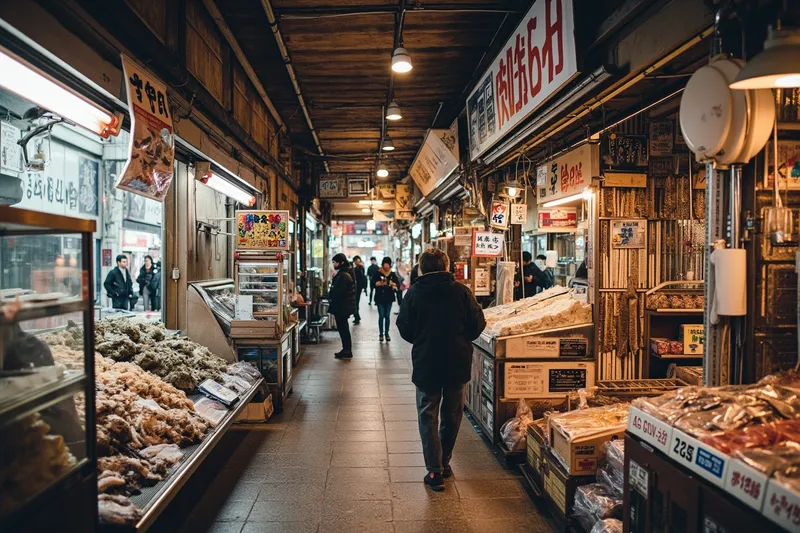
Kuromon Market in Osaka: what a street-food graze costs, which pickles and dried goods travel home in a suitcase, and when to arrive for the best fish.
How the Japanese approach to meals actually works, including washoku, ichiju-sansai, hara hachi bu and the Okinawa diet. Start here to understand the principles before you change anything.
What green tea, miso, natto, seaweed, tofu, fish and fermented foods really contribute to your health, with the research behind each claim and how often to eat them.
Japanese-rooted approaches to losing weight, including the Japanese breakfast, walking after meals, hara hachi bu and how intermittent fasting compares.

I grew up in Yokohama, where my grandmother cooked every meal the way she had learned it from her own mother: a bowl of rice, a small portion of fish or tofu, and three or four small vegetable dishes, served in the middle of the table and shared.
Read about the editorial approach, sources and corrections on the author and editorial policy pages.